
 I want to begin reading the Bible but where do I start?One of the most powerful ways to grow in our relationship with God is to read His Word. It is through His Word that God reveals Himself to us that we might know Him personally. The Scriptures grant us guidance on how to walk out this Christian life and provide comfort when we face times of sorrow. In addition to that, it is the very Word of God that protects us from evil. Ephesians 6:17 calls the Word of God the Sword of the Spirit and urges believers to pick it up and use it to fight against spiritual attack. The Word of God offers freedom, healing and hope. The Bible can be an intimidating read. Like many good things, the most challenging part is simply getting started. The Gospel of John - This is the best place for new believers, especially, to start reading. This book will give you a good understanding of who Jesus is and what His ministry is about. Although the other Gospel accounts (Matthew, Mark and Luke) do this, the book of John particularly focuses on who Jesus is rather than just what He did. Resource: https://www.ibelieve.com/faith/top-5-places-to-start-reading-the-bible.html What does scripture say about...Fear/Anxiety Fear. One of the enemy’s most popular weapons that he uses against us. Worry, anxiety, fear…can overwhelm us with a thick shadow of darkness, controlling our every move and decision. So much crazy going on around us today - wars, conflicts, persecution, violence, crime, natural disasters, terrorism, economic uncertainty, unemployment, divisions, disease, death. We fear for our children’s future, we fear for our families, we fear for our financial future, we fear for our safety. The list goes on…long. There actually is a lot we could potentially worry about. Yet reality tells us that so much of what we spend our time worrying about never even happens. Living under the weight of the "what if's" is a hard place to dwell. I read words - of life - of truth. Soaking them in, over and over, praying them out loud. Until they became so familiar, they replaced the other things in my mind that I’d battled against. There’s nothing magical about words and verses, but there is power through them because they’re God’s words. Change happened. Anxious thoughts began to diminish. Worry let go of its constant grip. And though fear is sometimes still there, it no longer wields control, holding me back, paralyzing me in its grasp. His words are “life” words, soothing to our soul, calming to our spirits, giving power to our days. It’s not always easy, and it often comes down to a choice:
33 Bible Verses to Remind Us - We Do Not Have to Fear: 1. “So do not fear, for I am with you; do not be dismayed, for I am your God. I will strengthen you and help you; I will uphold you with my righteous right hand.” ~ Isaiah 41:10 2. “When I am afraid, I put my trust in you." ~ Psalm 56:3 3. “Do not be anxious about anything, but in every situation, by prayer and petition, with thanksgiving, present your requests to God. And the peace of God, which transcends all understanding, will guard your hearts and your minds in Christ Jesus.” ~ Philippians 4:6-7 4. “Peace is what I leave with you; it is my own peace that I give you. I do not give it as the world does. Do not be worried and upset; do not be afraid.” ~ John 14:27 5. “For God has not given us a spirit of fear, but of power and of love and of a sound mind.” ~ 2 Timothy 1:7 6. “There is no fear in love. But perfect love drives out fear, because fear has to do with punishment. The one who fears is not made perfect in love.” ~ 1 John 4:18 7. “When anxiety was great within me, your consolation brought joy to my soul.” ~ Psalm 94:19 8. “But now, this is what the Lord says…Fear not, for I have redeemed you; I have summoned you by name; you are mine.” ~ Isaiah 43:1 9. “An anxious heart weighs a man down, but a kind word cheers him up.” ~ Proverbs 12:25 10. “Even though I walk through the valley of the shadow of death, I will fear no evil, for you are with me; your rod and your staff, they comfort me.” ~ Psalm 23:4 11. “Have I not commanded you? Be strong and courageous. Do not be terrified; do not be discouraged, for the Lord your God will be with you wherever you go.” ~ Joshua 1:9 12. “Therefore do not worry about tomorrow, for tomorrow will worry about itself. Each day has enough trouble of its own.” ~ Matthew 6:34 13. “Humble yourselves, then, under God’s mighty hand, so that he will lift you up in his own good time. Leave all your worries with him, because he cares for you.” ~ 1 Peter 5:6-7 14. “Tell everyone who is discouraged, Be strong and don’t be afraid! God is coming to your rescue…” ~ Isaiah 35:4 15. “Do not worry about your life, what you will eat; or about your body, what you will wear. Life is more than food, and the body more than clothes. Consider the ravens: They do not sow or reap, they have no storeroom or barn; yet God feeds them. And how much more valuable you are than birds! Who of you by worrying can add a single hour to his life? Since you cannot do this very little thing, why do you worry about the rest?” ~ Luke 12:22-26 16. “The Lord is my light and my salvation—whom shall I fear? The Lord is the stronghold of my life—of whom shall I be afraid?” ~ Psalm 27:1 17. “Cast your cares on the Lord and he will sustain you; he will never let the righteous fall.” ~ Psalm 55:22 18. “Immediately he spoke to them and said, 'Take courage! It is I. Don’t be afraid.'” ~ Mark 6:50 19. “Be strong and courageous. Do not be afraid or terrified because of them, for the Lord your God goes with you; he will never leave you nor forsake you.” ~ Deuteronomy 31:6 20. “'For I am the Lord, your God, who takes hold of your right hand and says to you, Do not fear; I will help you. Do not be afraid, for I myself will help you,' declares the Lord, your Redeemer, the Holy One of Israel.” ~ Isaiah 41:13-14 21. “God is our refuge and strength, an ever-present help in trouble.” ~ Psalm 46:1 22. “The Lord is with me; I will not be afraid. What can man do to me? The Lord is with me; he is my helper.” ~ Psalm 118:6-7 23. “Fear of man will prove to be a snare, but whoever trusts in the Lord is kept safe.” ~ Proverbs 29:25 24. “He got up, rebuked the wind and said to the waves, “Quiet! Be still!” Then the wind died down and it was completely calm. He said to his disciples, “Why are you so afraid? Do you still have no faith?” ~ Mark 4:39-40 25. “The angel of the Lord encamps around those who fear him, and he delivers them.” Psalm 34:7 26. “But even if you suffer for doing what is right, God will reward you for it. So don’t worry or be afraid of their threats.” ~ 1 Peter 3:14 27. “I prayed to the Lord, and he answered me. He freed me from all my fears.” ~ Psalm 34:4 28. “Do not be afraid of them; the Lord your God himself will fight for you.” ~ Deuteronomy 3:22 29. “Then he placed his right hand on me and said: 'Do not be afraid. I am the First and the Last.'” ~ Revelation 1:17 30. “Jesus told him, ‘Don’t be afraid; just believe.’” ~ Mark 5:36 31. “And I am convinced that nothing can ever separate us from God’s love. Neither death nor life, neither angels nor demons, neither our fears for today nor our worries about tomorrow—not even the powers of hell can separate us from God’s love.” ~ Romans 8:38-39 32. “The Lord your God is in your midst, A victorious warrior. He will exult over you with joy, He will be quiet in His love, He will rejoice over you with shouts of joy.” ~ Zephaniah 3:17 33. “He who dwells in the shelter of the Most High will rest in the shadow of the Almighty. I will say of the Lord, “He is my refuge and my fortress, my God, in whom I trust.”…He will cover you with his feathers, and under his wings you will find refuge; his faithfulness will be your shield and rampart. You will not fear the terror of night, nor the arrow that flies by day, nor the pestilence that stalks in the darkness, nor the plague that destroys at midday. A thousand may fall at your side, ten thousand at your right hand, but it will not come near you…For he will command his angels concerning you, to guard you in all your ways…“Because he loves me,” says the Lord, “I will rescue him; I will protect him, for he acknowledges my name. He will call upon me, and I will answer him; I will be with him in trouble, I will deliver him and honor him…” from Psalm 91:1-16 Be assured, He is with you in whatever you face, in the turmoil and struggles, amidst the anxious thoughts and the worries of life. He is there, strengthening, helping, and He holds you in His hands. God is greater. He gives us the power to live courageously, boldly, fearlessly in this life, when many things that surround us would tell us to be afraid. His truth whispers strong and sure to the deepest core of our spirits. “Do not fear.” All of that stuff on your mind? Give it to Him – again. Replace those fearful thoughts with His words of truth. And sleep in peace tonight. He knows what concerns you, He’s got you covered. Reposted from Crosswalk https://www.crosswalk.com/blogs/debbie-mcdaniel/33-verses-to-remind-us--we-do-not-have-to-fear.html# Healing
Addiction
Righteous Living
3 Comments
 We are excited to slowly get back into the swing of things and focus on kids service! We are kicking off one kid service a month that will take place during regular Sunday services and will include a message, a craft and fellowship. It’s so critical for our kids to connect with God and each other! The next one is March 14th! Sign Up Here: https://forms.gle/MAxAWmBMxJwd6jMw8 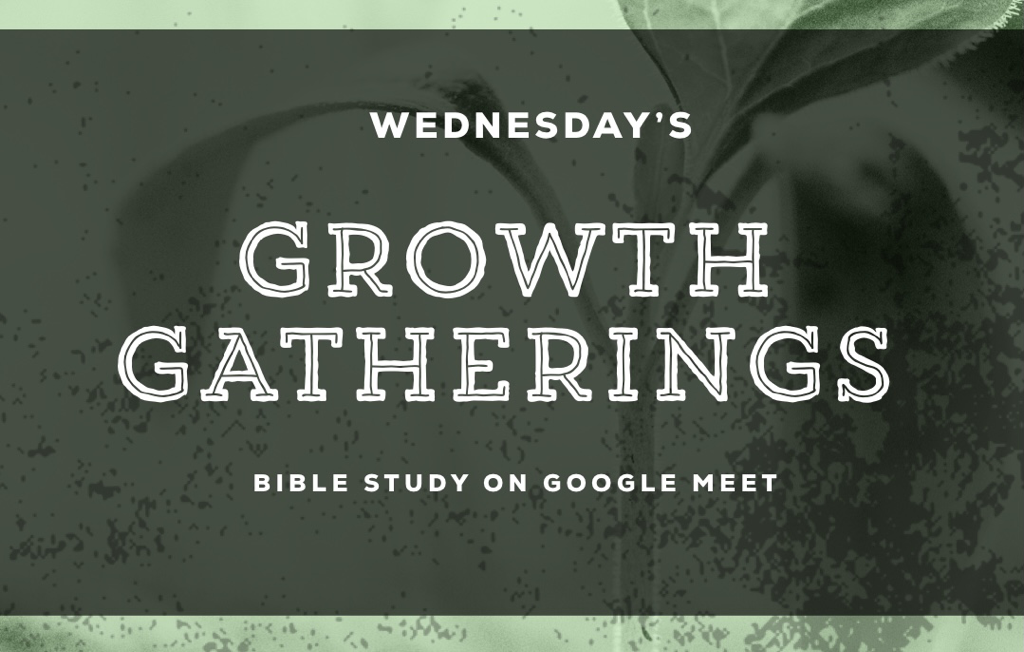 Growth Gatherings is back! Join us on Google Hangouts at 6:30 pm every Wednesday and let’s dig into the Word and grow! Join here! https://meet.google.com/bgy-zgns-sjz  We are excited to partner with a local school for their wishlist needs. If you know a teacher, you know they sacrifice a lot for our kids including purchasing supplies out of their own pocket. We want to support those in our community. 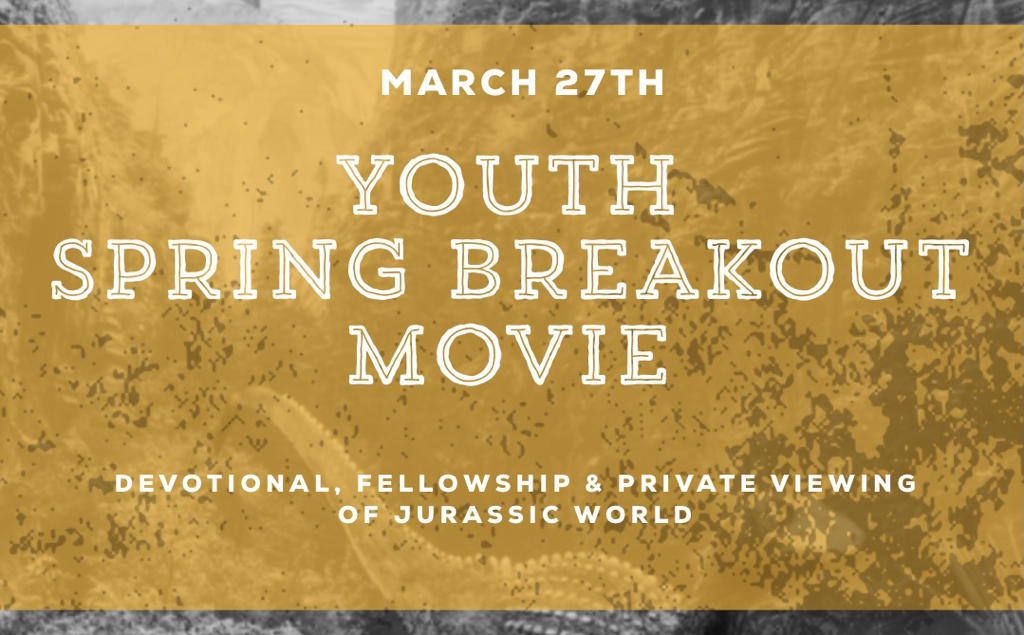 We are excited to plan a special Movie event for our youth! Teens will get a chance to hang out with peers, get encouraged with a devotional, and enjoy a private movie showing! Youth events are tailored for ages 13 to 19. 12 Year Olds may attend with parent permission. Space is limited so sign up below! https://forms.gle/bxgz2y7L3tBDvfx88 Location: AMC Mayfair Date: March 27th Time: Arrive at 5:15 pm Movie: Jurassic World (PG-13) Questions? Please contact Christian Lopez at [email protected] or Barbara Rios at [email protected]  What would your life be like if Jesus lived it? Imagine the change you would experience in your thoughts, actions, and relationships. Think of the joy and freedom that could transform every area of your life. That’s exactly what God has in mind for you! Check out Transform LG led by Jessica & Luis Chavarria. This LG will start out virtual and eventually move in person. Sign up now 👉🏼 https://urbanpoiema.churchcenter.com/groups/life-groups/transform Looking to learn key marriage skills and God’s role in your relationships? Join Love & Marriage life group every other Thursday in rotation with transform lifegroup. Sign up here 👉🏼 https://urbanpoiema.churchcenter.com/groups/life-groups/love-marriage-lg  We are excited for what God has in store this year! Your gifts help make our outreaches and caring for God’s house possible! You can safely give on our App, our website (www.urbanpoiema.com/give), or via envelope at the welcome center. Gifts are always tax deductible and go directly into the ministry!
 Beloved church,
“Let [us] offer sacrifices of thanksgiving and sing joyfully about his glorious acts.” Psalm 107:22 Giving of thanks can often be a misconception of its true meaning. We speak with our mouths, yet our hearts can be cold, full of hurt, or just plain ungrateful. Or we are just thankful to eat turkey, tamales, or arroz con gandules! Thankfulness means so much more. Gratefulness is derived from something that has been done for us or given to us that was unexpected or undeserved. So we are eternally grateful! On this Thanksgiving Day, let us remember what the Lord has done for us. Remember His mighty acts and His songs he sings over us in our most desperate times. Yes, this year has been a catapult of pain, loss, change, and so much more thrown at us. I’ve asked myself, how do I pastor the flock in these times? Times of such hurt and desperation? How do we continue to be the church? We can’t be afraid to be real with God in our lamentations like we talked about a couple weeks ago. David was an example of this as he expressed his frustrations but ultimately trusted in God’s deliverance. While this year has been difficult, it has also been a time of reflection. A time to identify the most important things in our lives. A time to draw near to God in a new way. The psalm above teaches us to offer thanksgiving in a sacrificial way. Which means being thankful even when we don’t feel it, when we are tired, when we are in our pain, we still give thanks for the memory of who God is and what He has done for us! Don’t ever forget where and how God healed you and delivered you from the enemy! In this unprecedented time, let us not forget that God is the reason we sing joyfully. He is the reason we still believe and trust in His faithfulness. Remember the amazing gift of salvation given to us in Jesus Christ. “There is salvation in no one else! God has given no other name under heaven by which we must be saved.” Acts 4:12 I am thinking of each one of you and how thankful I am to be a part of your lives. I am thankful for being able to share the hope and joy in Jesus Christ. As you celebrate with your loved ones, be grateful, take a moment to remember how blessed you are. Remember God’s glorious acts that he has done for you and your family and sing a sacrifice of praise! In true thankfulness, we will find blessings and peace. Happy Thanksgiving! We love you all! Pastor Temo, Barbara, Adriana, Natalya, & Lucas |
AuthorThe lead and social media team will be bringing you content on all things UP church! Subscribe to our page! Archives
January 2021
Categories |
 RSS Feed
Don't forget to follow us!

|
|
Telephone(414) 852-3722
|
|
© 2015 URBAN POIEMA CHURCH ALL RIGHTS RESERVED
UP CHURCH | MILWAUKEE, WI | [email protected]
A United Methodist Congregation
Developed by RedBird Technology Solutions
UP CHURCH | MILWAUKEE, WI | [email protected]
A United Methodist Congregation
Developed by RedBird Technology Solutions